Tips for Planning Transportation for Weddings and Large Events
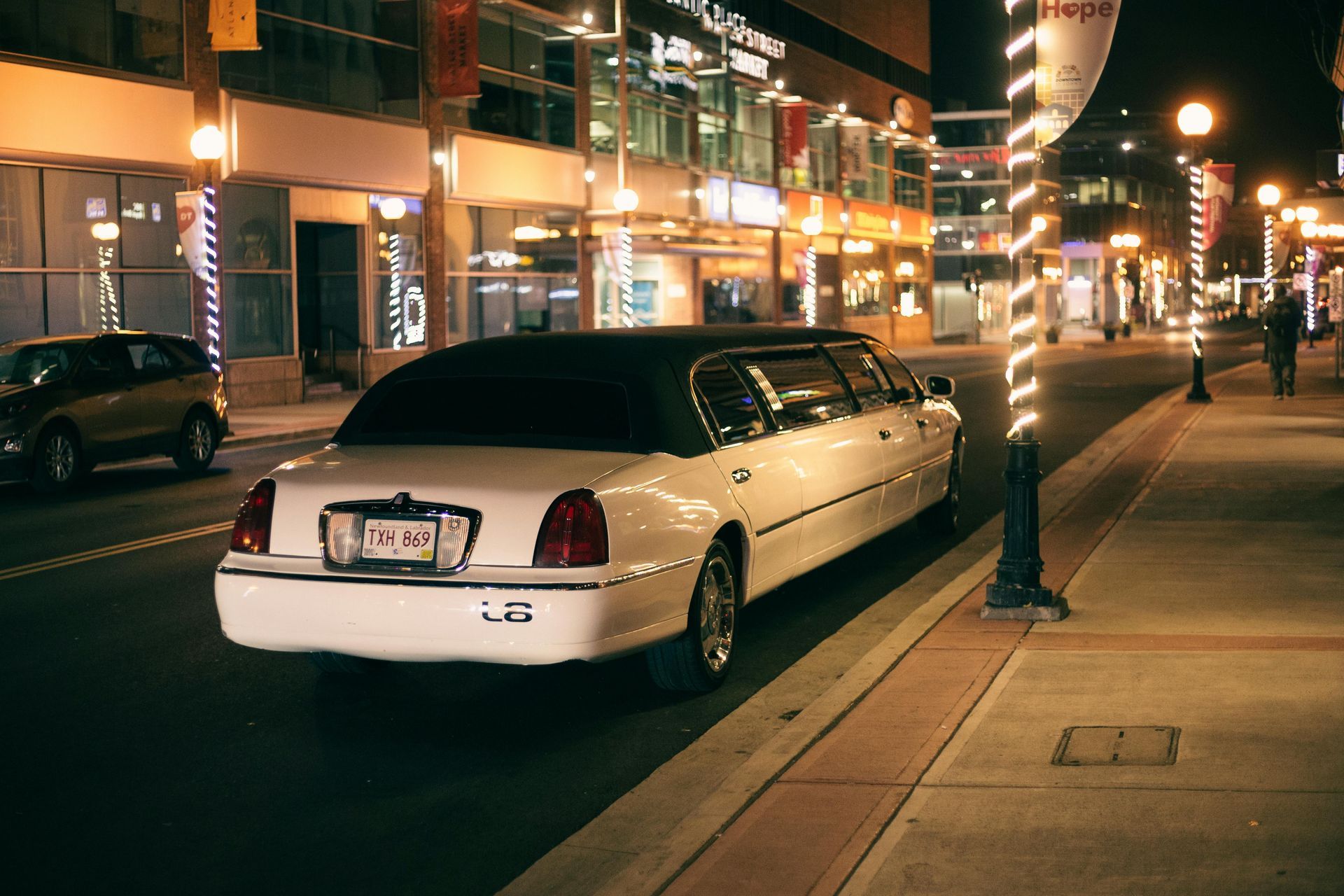
Large weddings and events are shaped by seamless, well-timed moments, with guests arriving stress-free, schedules maintained, and the event flowing intentionally. Transportation is often one of the least visible elements of an event, yet it has a direct influence on how smoothly everything progresses. Effortless movement of guests between venues maintains a positive, focused atmosphere. Inefficient transportation can lead to stress, confusion, and delays. Planning with care makes logistics an asset rather than a distraction.
Every stage of a wedding or large gathering is influenced by transportation, from start to finish. Coordinating multiple vehicles, timelines, and guest groups requires experience and attention to detail. High-end transportation prioritizes comfort, efficiency, and professional service. When transportation is handled with intention, hosts can focus on meaningful moments instead of logistics. Thoughtful transport arrangements ensure a seamless, professional, and memorable event.
Determining the Scope of Transportation for Your Event
Successful transportation begins with fully grasping the scope of the event. Factors like attendee numbers, activity sequences, and venue logistics must be assessed. Weddings and large events frequently involve ceremonies, receptions, photo sessions, and after-event gatherings. Each transition introduces timing considerations that must be addressed in advance. Early planning helps avoid unexpected issues.
At this stage, The Good Life Transportation Company carefully assesses transportation integration into the event. We examine guest movement, timing priorities, and possible obstacles to maintain flow. Careful evaluation makes transportation part of the event, not a disruption. Foreseeing obstacles ensures seamless execution. This produces a transportation plan that perfectly fits the event’s timing and flow.
Building a Clear and Reliable Transportation Timeline
An organized timeline is key to smooth transportation during events. It should detail pick-up times, travel estimates, buffer periods, and drop-off schedules. Buffer periods help absorb small delays and maintain flow. When timing is carefully planned, each segment of the event flows smoothly into the next. Guests enjoy the event more when transportation is organized and reliable.
It is important to match the transportation schedule with the event plan for coordination. Coordinating with organizers allows transportation to enhance the event experience. Synchronization of schedules minimizes errors and enhances team coordination. A common timeline permits timely adjustments if needed. Dependable timing helps maintain a professional and smooth event flow.
Enhancing Guest Comfort During Every Transition
Comfort is a key factor in the perception of transportation at weddings and large events. Providing smooth rides and attentive service in comfortable vehicles helps guests feel at ease. Comfortable arrivals allow guests to focus on the event and participate more fully. Transportation is part of the overall welcoming and attentive experience. Guest-focused transportation shows attention to detail and concern for attendee experience.
Organization and clear instructions are as important as comfort in transportation. Clearly communicated pickup locations and orderly boarding reduce uncertainty and delays. Clear communication helps guests feel confident and reduces anxiety. Emphasis on intuitive transitions helps minimize stress. Such planning leaves guests with a lasting impression of quality and care.
Handling Various Groups with Careful Coordination
Big events frequently include various groups needing separate transport. Guest categories, including family, wedding parties, and other attendees, may have differing routes or schedules. Proper coordination ensures each group’s needs are accounted for without overlap. Addressing the requirements of each group without affecting the schedule is essential. Proper segmentation allows transportation to remain efficient and organized.
Overseeing different groups needs precise coordination and strong communication. Coordinated teamwork between chauffeurs and planners guarantees schedule adherence for all groups. Smooth group transitions occur seamlessly for guests without visible complexity. Such organized management creates a unified flow throughout the event. Careful attention to group logistics reduces confusion and prevents delays.
Sustaining Reliable Service Across the Event
Consistent and reliable transport is vital to keeping an event on track. On-time transportation ensures ceremonies, receptions, and event activities proceed smoothly. Consistent execution ensures that transportation does not become a source of stress. Both attendees and hosts appreciate consistent, trustworthy transport. Consistency builds trust and supports the overall success of the event.
Professionalism and advance planning are key to ensuring dependable service. Vehicles and chauffeurs are scheduled with close attention to timing and readiness. Each movement is treated as an important part of the event experience. Structured management reduces interruptions and keeps the event moving. Maintaining consistent service ensures the event progresses as planned.
Integrating Transportation Into Event Design
Transportation should be viewed as part of the event design rather than a standalone function. Transportation can support and enhance the intended tone of the event. When coordinated with décor, scheduling, and guest management, transportation enhances the overall presentation. Intentional planning ensures that arrivals and departures feel purposeful. Transportation that fits naturally into the event design increases here overall quality perception.
Transportation that follows the event plan enhances the overall experience. Transportation timing should complement the event schedule without disruption. Proper synchronization creates a professional and polished atmosphere. Guests notice when every detail feels connected. Transportation becomes a seamless extension of the celebration.
Overseeing the Last Phase of Event Transportation
Ending an event smoothly is as significant as starting it well. Organized departures help attendees exit easily and with confidence. Clear departure schedules prevent congestion and confusion at the end of the celebration. A seamless departure leaves a positive final impression on guests. The last transition contributes heavily to the guests’ overall perception.
Post-event transportation requires the same level of structure as earlier phases. Coordinated departures ensure that guests are supported through the final moments of the event. Maintaining the same attention to detail at the end emphasizes professionalism. A well-orchestrated conclusion demonstrates thoughtful event management. The transportation plan is critical through the last moments of the event.
The Role of Transportation Planning in Event Success
Planning for transportation strategically impacts how smoothly events unfold. By addressing timelines, comfort, reliability, and coordination, transportation supports the event’s structure and flow. Each transition plays a role in maintaining momentum and guest satisfaction. Careful planning of transport improves the quality of the celebration. A well-organized transportation strategy supports a confident and seamless event.
The Good Life Transportation Company approaches every event with a focus on precision, professionalism, and elevated service standards. Our approach prioritizes seamless integration, dependable service, and guest satisfaction throughout. We consider transportation a key component of the event rather than a logistical side note. This commitment supports seamless celebrations and well-executed transitions. Careful attention makes transportation an impactful element from start to finish.